Montello honey, Epiphany pinza and zaleti biscuits are the three sweet protagonists of traditional Treviso peasant culture. They all stem from the same underlying logic: transforming leftovers and simple raw materials, such as stale bread, maize flour and local honey, into something festive, without wasting anything.
Honey production on the Montello it developed as a true commercial activity in the post-WWII period, in the municipalities of Nervesa della Battaglia, Giavera del Montello, Volpago, Crocetta del Montello and Montebelluna. Initially it was oriented towards the pollination of fruit trees, and only later towards actual honey production. Today the Montello offers several varieties — chestnut, robinia (commonly known as “acacia”), spring and summer wildflower, as well as honeydew. Not far away, the Grappa area is also among the highest honey-producing zones in the region. Here beekeepers move the hives from low altitudes up into the mountains to strengthen the bees. In this way, high-quality acacia, chestnut, dandelion and wildflower honeys are obtained.
The Venetian pinza is closely linked to the Epiphany celebrations. When in many areas of the Veneto region they still light the Panevin, the large propitiatory bonfires of the beginning of the year. It is a rustic cake made with stale bread, maize flour, dried figs, sultanas, fennel seeds and a splash of grappa. It is the perfect recipe for using up holiday leftovers in an identity-rich cake, with zero waste.
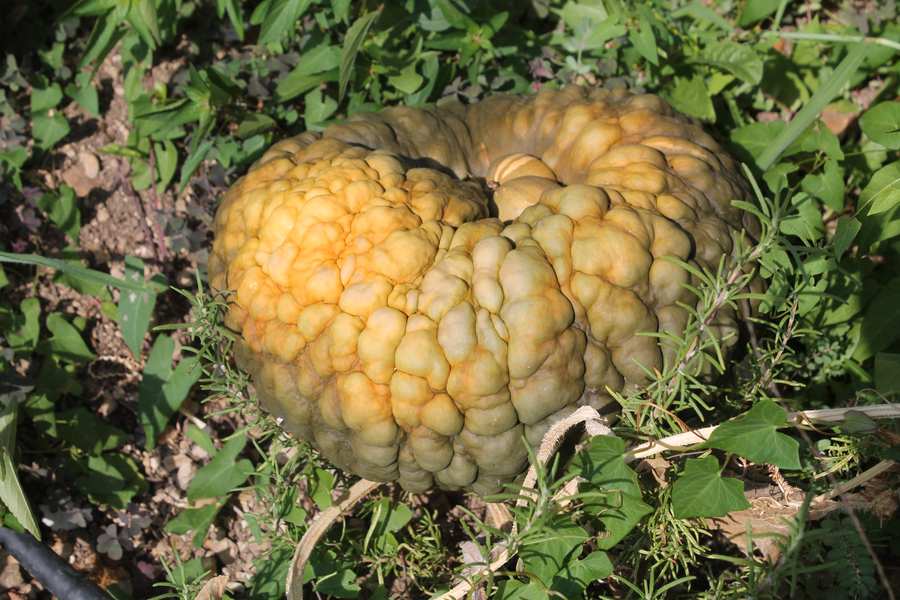
In the peasant tradition of the foothill area there is also a variant related to pumpkin: the bread with sugar. It is a sweet pumpkin bread typical specifically of the foothill area of Treviso. It represents yet another demonstration of how local cuisine transforms a humble, seasonal ingredient — autumn pumpkin, which is also grown in our vegetable patch — into something celebratory.
Zaleti are cornflour and raisin biscuits, with a characteristic yellow colour — hence the name, from the Venetian “zało” (yellow). Like pinza, they originate from the cornflour typical of the Venetian countryside, and are often served accompanied by a glass of sweet wine or a coffee.
The most famous dessert linked to Treviso remains without doubt the tiramisu, which we have already discussed in detail in our article dedicated to its history and origin legends. Here, on the other hand, we wanted to make room for desserts that are less well-known outside the region, yet equally emblematic of the rural cuisine of this area.
The Panevin is the large propitiatory bonfire lit in many areas of the Veneto region on the evening of Epiphany (5th January). The pinza, a rustic cake made from stale bread and maize flour, is the traditional cake associated with this festival.
They are two distinct but close production areas. The Montello mainly produces chestnut, acacia and wildflower honey, while the Grappa area also produces acacia, chestnut, dandelion and mountain wildflower honey. Here the beehives are moved to higher altitudes to strengthen the bees.
Yes, but in a dedicated article. The history and legends behind the origins of Treviso's tiramisu are told in our specific article, linked above. Here we have focused on the lesser-known desserts of the rural tradition.
Book your stay a The Court of Marga and discover the traditional sweets of the Treviso countryside, from Montello honey to Epiphany pinza.