Morlacco and Bastardo del Grappa are the two PDO cheeses from the alpine dairies of Monte Grappa, whilst Moesin is a lesser-known speciality linked to Fregona, at the foot of the Cansiglio: three cheeses that tell a single story, that of alpine pastoralism in the Treviso Prealps, the very same mountain range that can be seen from the paths above La Corte di Marga.
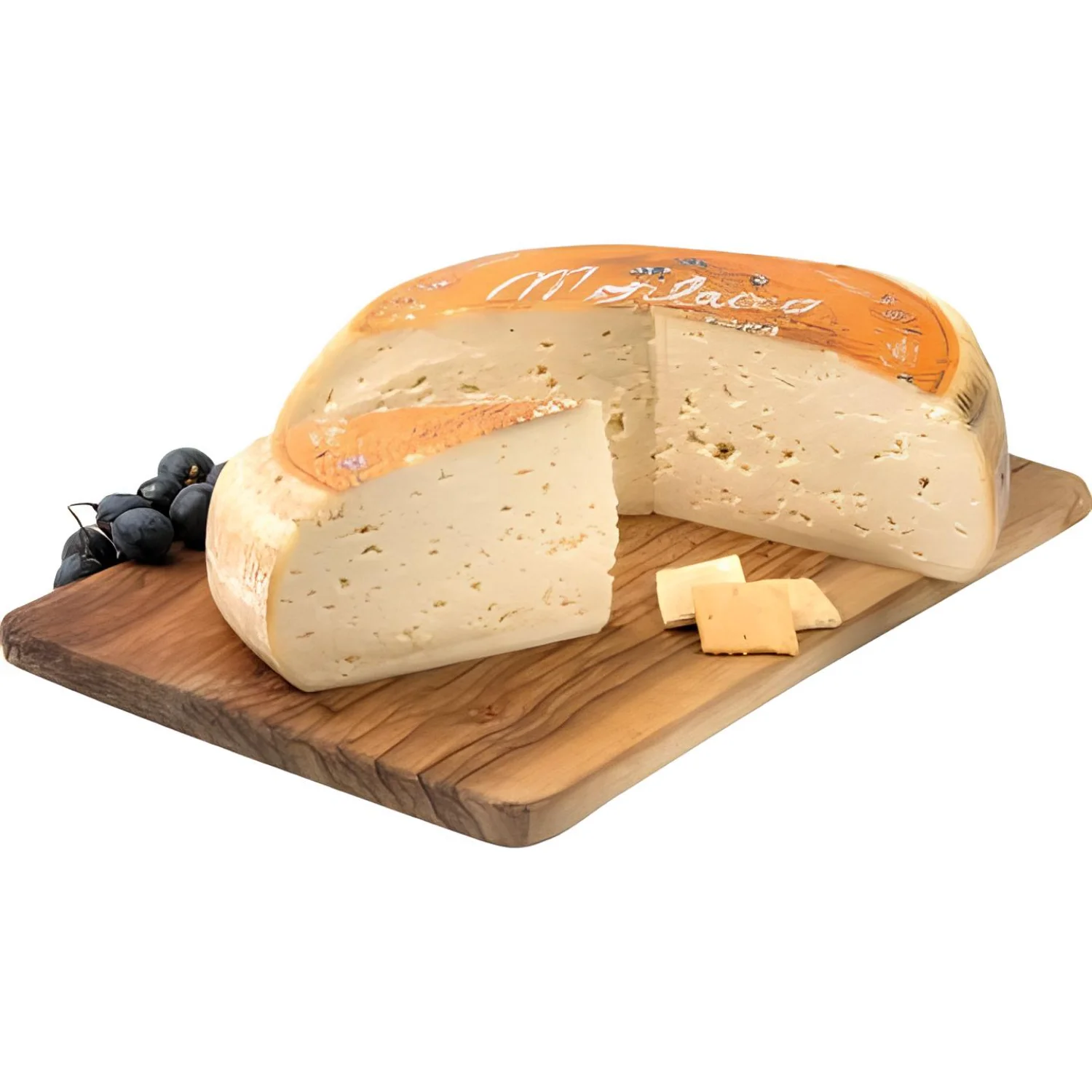
Morlacco has references dating back over five centuries, and is the cheese that best represents the alpine cheese-making art of this area. The name comes from the Morlachs, nomadic shepherds originally from Morlachia (the Adriatic region between Trieste and Albania) who, at the time of the Serenissima, reached the Grappa massif and established their camps there, bringing with them Balkan cheese-making techniques. Fresh Morlacco has a white rind, a soft texture with characteristic small holes known as “partridge eye”, and is aged from a minimum of 15 days up to two to three months: the younger it is, the more delicate it is on the palate.
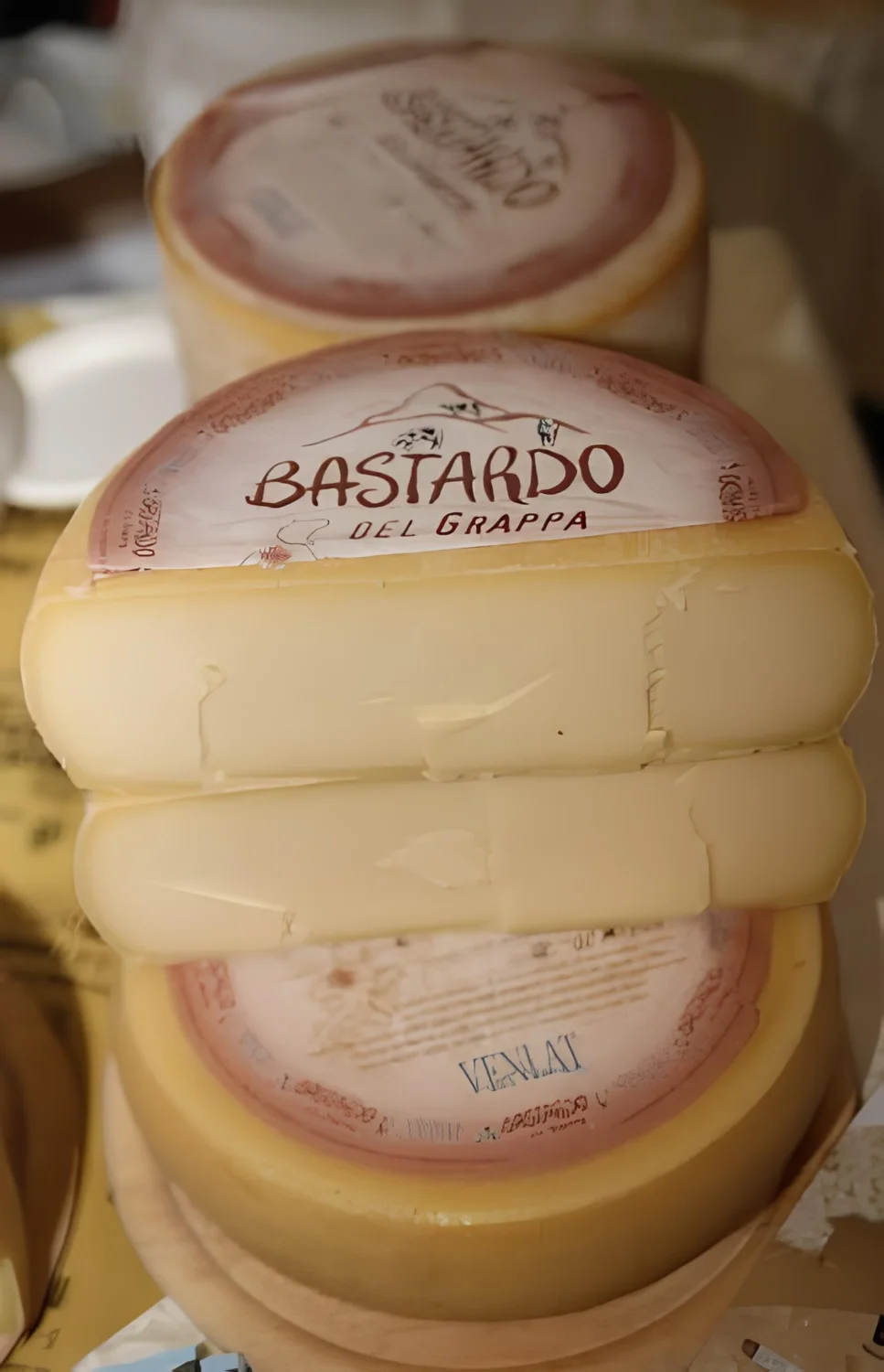
Il Bastardo was created as a “calculated error” so as not to waste milk when seasonal or climatic conditions did not allow traditional Morlacco to be produced: instead of throwing away non-ideal milk, the mountain dairy farmers turned it into a more rustic and structured cheese. From a byproduct it has become a product in its own right, nowadays just as appreciated — a perfect example of the peasant logic of “nothing is wasted” that runs through all the cuisine of this area.
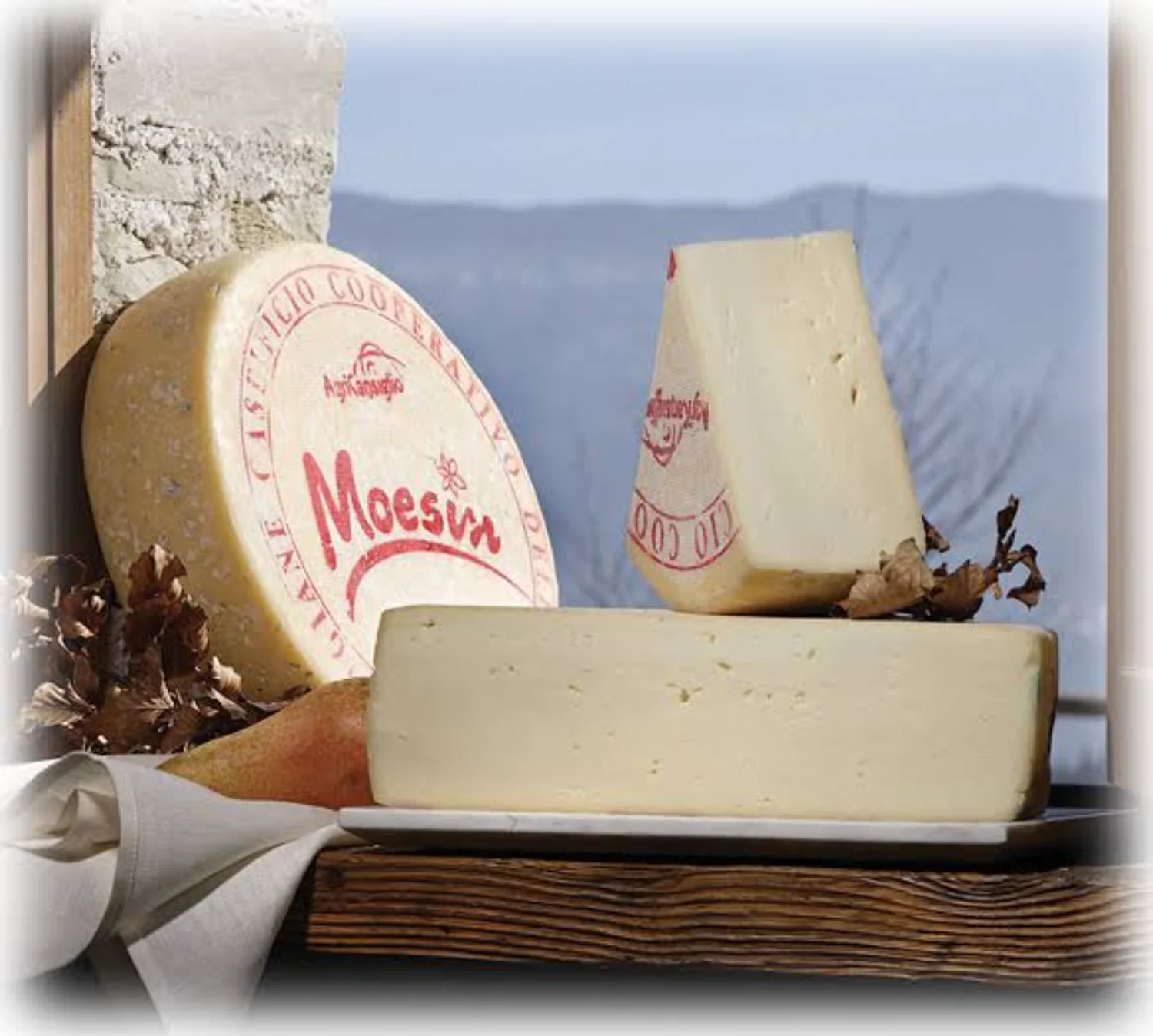
Less common outside its local area, Moesin is a traditional cheese from Fregona, at the foot of the Cansiglio plateau – a niche product well worth seeking out for those visiting the area, perhaps pairing it with a delicious stop during a hike on the Cansiglio.
The great thing about talking about these cheeses from La Corte di Marga is that the mountain pastures are not just postcard abstractions: they can be reached on foot starting practically from home. Our Malghe Tour from Posa Puner Refuge It crosses precisely this type of mountain pasture on the ridge of Monte Cesen, in the same municipality of Miane — an itinerary that allows you to see up close the context in which these cheeses are still made today, before or after tasting them on a platter at the venue.
The Dish: Fresh, young Morlacco cheese, with its characteristic “partridge-eye” holes.
The Pairing: Bronner PIWI Giol. A mineral and savoury white wine with good acidity: the acid freshness of this resistant vine variety (PIWI) cleanses the palate of the softness of the still-young Morlacco cheese, without overpowering its delicate dairy notes — a pairing that highlights the lightness of the freshly matured cheese.
The Dish: Aged Bastardo del Grappa, with a rustic and structured texture.
The Pairing: Wildbacher Collalto. Tannic red, with notes of wild berries, pepper and balsamic — the tasting notes explicitly suggest pairing it with “mature alpine cheeses such as Piave Vecchio or Asiago Stravecchio”: the wine's tannic structure effortlessly handles the saltiness and firmer texture of the Bastardo, in a pairing where character meets character.
The Dish: Moesin di Fregona, a rustic alpine cheese from Cansiglio.
The Pairing: Prosecco from the slopes of Miane, “Col Fondo” method”. The typical bread-crust notes of this ancestral method and the firmer structure compared to a classic Prosecco pair with the rustic character of Moesin — a match that remains within the same geographical area as the cheese, between the Rive di Miane and the nearby Cansiglio plateau.
The most authentic way remains to look for them directly at alpine dairy refreshment stops during a hike (many sell their own home-made fresh cheese), or to ask for them as part of the local cheese board available on request at La Corte di Marga — a good way to try several varieties without having to hike all the way up, for those who prefer to stay in the valley.
Morlacco is the “noble” alpine cheese, with characteristic small holes and a short maturation; Bastardo was created as a more rustic variant, made to avoid wasting milk when conditions did not allow for the production of traditional Morlacco. Both are PDO cheeses typical of the Grappa massif in the Veneto region.
Yes: our “Malghe Tour from Rifugio Posa Puner” itinerary stays within the municipality of Miane, on the ridge of Monte Cesen, and is the most direct way to see the real setting in which these cheeses are created.
It is a local speciality linked to the Cansiglio area: it is easier to find in the shops and eateries around Fregona than in major supermarkets — it is worth stopping by if you are organising a trip to the plateau.
Book your stay a The Court of Marga and set off on foot towards the alpine huts of Monte Cesen directly from Miane.